 English
 中文(简体)
 Dansk
 Français
 Deutsch
 Мары йӹлмӹ
 Bahasa Indonesia
 Italiano
 日本語
 basa Jawa
 한국어
 Português
 Español
 ภาษาไทย
 Türkçe
 Tiếng Việt
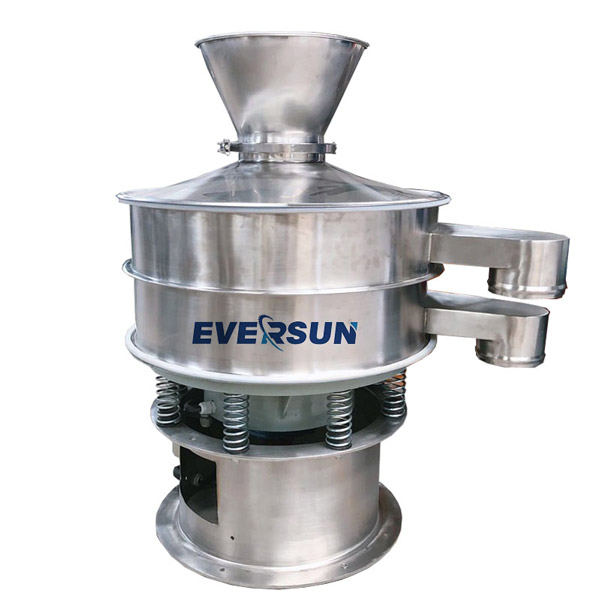
Powder Sieving Machine are specialized equipment designed to separate particles based on size, ensuring uniformity and quality in powdered materials. These machines are widely used in industries such as pharmaceuticals, chemicals, food processing, and metallurgy. By removing oversized particles, foreign materials, and lumps, powder sieving machines play a crucial role in maintaining product consistency and enhancing the efficiency of production processes.
How Powder Sieving Machines Work
Powder sieving machines operate on the principle of particle separation using a mesh or screen. Powdered materials are fed into the machine, where vibrations, rotation, or oscillation help the fine particles pass through the mesh while larger particles remain on top. Some machines use multi-layer screens to separate powders into different grades, while others focus on removing impurities. The process is fast, automated, and designed to handle high volumes of materials with minimal manual intervention.
Types of Powder Sieving Machines
There are several types of powder sieving machines to suit different industrial requirements. Vibratory sieving machines use high-frequency vibrations to move powder across the mesh, providing fast and precise separation. Rotary sieving machines use a spinning drum or screen to filter materials continuously. Ultrasonic sieving machines incorporate ultrasonic vibrations to prevent clogging and achieve finer particle separation. Each type of machine is selected based on factors such as material characteristics, production volume, and desired particle size.
Applications in Various Industries
Powder sieving machines are essential in a wide range of industries. In the pharmaceutical sector, they ensure the uniformity of powdered drugs and remove contaminants before packaging. In the food industry, these machines help maintain consistent quality in flour, специя, sugar, and other powdered ingredients. Chemical industries use sieving machines to achieve precise particle sizes for powders used in formulations, while metallurgy and mining sectors utilize them to classify fine metal powders for further processing.
Advantages of Using Powder Sieving Machines
The use of powder sieving machines improves product quality and process efficiency. Consistent particle size ensures better performance, whether in chemical reactions, mixing, or compaction. By removing oversized particles and impurities, sieving machines prevent equipment damage and reduce waste. Automated sieving also reduces labor costs and ensures uniform output, making it an essential component of modern manufacturing processes. Additionally, the enclosed design of many machines minimizes dust and contamination, promoting a safer working environment.
Maintenance and Operational Considerations
Maintaining a powder sieving machine involves regular inspection of screens, motors, and vibration mechanisms. Proper cleaning after each batch prevents cross-contamination, especially in pharmaceutical and food industries. Lubrication of moving parts and timely replacement of worn-out components ensures smooth operation and extends the machine’s lifespan. Operators must also follow safety guidelines and handle powders according to material-specific precautions to maintain efficiency and prevent accidents.
Conclusion
Powder sieving machines are indispensable in industries that require precise particle separation and high-quality powder products. Their ability to improve product consistency, reduce impurities, and increase production efficiency makes them an essential tool in modern manufacturing. With various types of machines available for different applications, businesses can select the best solution to meet their specific requirements, ensuring smooth operations and superior quality output. The continued advancement of powder sieving technology promises even greater accuracy and productivity in the future.